


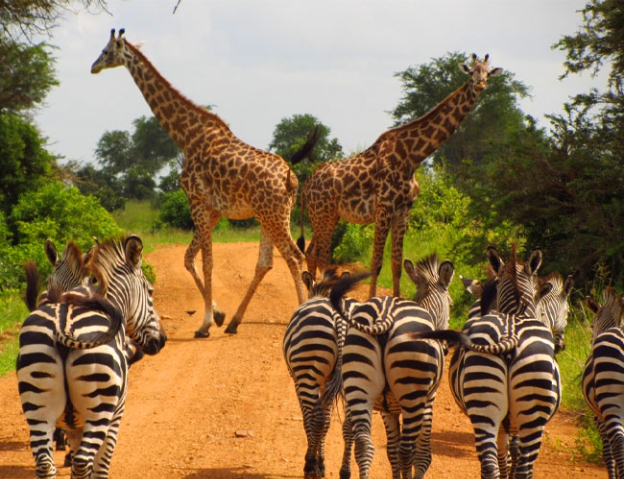

Imagine waking to the sound of lions roaring in the distance, stepping outside your tent to witness elephants silhouetted against a crimson sunrise, and spending your days tracking wildlife through landscapes that have remained virtually unchanged for millennia. This is the essence of a Tanzania safari—an adventure that connects you with nature’s grandest spectacles and creates memories that last a lifetime. As one of Africa’s premier wildlife destinations, Tanzania offers unparalleled opportunities to witness animals in their natural habitats across some of the most breathtaking scenery on Earth.
The Tanzania Safari Advantage
Tanzania’s position as Africa’s leading safari destination stems from multiple factors that combine to create exceptional wildlife experiences. The country has invested heavily in conservation, establishing an impressive network of national parks and protected areas that span diverse ecosystems. This commitment ensures that wildlife populations remain robust and habitats stay intact for future generations.
Geographic diversity sets Tanzania apart from competitors. Within this single nation, you’ll find everything from snow-capped mountains to tropical coastlines, from volcanic craters to endless savannas. Each ecosystem hosts specialized wildlife communities adapted to specific conditions, meaning every park offers distinct experiences and different species assemblages.
The tourism industry here has matured considerably, developing professional standards that balance visitor expectations with conservation needs. Expert guides undergo rigorous training and certification, ensuring they possess both extensive wildlife knowledge and safety expertise. This professionalism translates into safari experiences that are simultaneously thrilling and secure.
Premier Tanzania Safari Destinations Explored
Serengeti National Park: Africa’s Crown Jewel
The Serengeti ecosystem encompasses one of the planet’s most complex and functional large mammal communities. Covering approximately 30,000 square kilometers when including adjacent protected areas, this vast wilderness supports over two million herbivores and thousands of predators in a functioning ecosystem reminiscent of prehistoric times.
What makes Serengeti safaris truly extraordinary is the perpetual motion of life across these plains. The famous migration represents just one element of constant animal movement responding to seasonal changes, predator pressures, and resource availability. During any month, dramatic wildlife interactions unfold—whether wildebeest calves taking their first steps, crocodiles ambushing river crossers, or cheetahs sprinting across golden grasslands.
The park is divided into distinct regions, each offering unique characteristics. The southern Ndutu area features short-grass plains perfect for cheetah hunting and migration calving. Central Seronera’s riverine forests and kopjes harbor resident leopards and lions. The western corridor’s Grumeti River creates bottlenecks where dramatic crossings occur. Northern Serengeti’s rolling hills and the Mara River offer spectacular migration viewing from July through October.
Ngorongoro Conservation Area: Nature’s Masterpiece
Few places on Earth match Ngorongoro’s combination of geological wonder and wildlife abundance. The crater itself represents volcanic forces frozen in time—a collapsed caldera creating a natural arena where ecosystems function in compressed magnificence. The 600-meter crater walls act as barriers maintaining remarkable wildlife concentrations year-round.
Descending into Ngorongoro feels like entering a lost world. The crater floor contains complete ecosystems including grasslands supporting massive herbivore herds, swamps where hippos wallow, forests harboring baboons and bushbuck, and Lake Magadi where flamingos feed on alkaline-adapted organisms. This diversity within a confined space means Tanzania safari visitors can observe extraordinary wildlife variety in a single day.
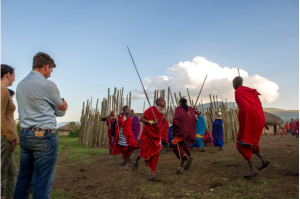
The conservation area extends beyond the famous crater to include other volcanic features, archaeological sites, and Maasai pastoral lands. This multiple land-use approach attempts to balance conservation with human needs, creating a model studied worldwide. The highlands surrounding the crater support montane forests where rare species find sanctuary.
Tarangire National Park: The Hidden Treasure
Tarangire remains somewhat overlooked compared to Serengeti and Ngorongoro, yet this park offers equally compelling Tanzania safari experiences with fewer crowds. The landscape here differs dramatically from typical savanna imagery—ancient baobab trees dominate vistas, their massive trunks and gnarled branches creating fantasy-like scenes beloved by photographers.
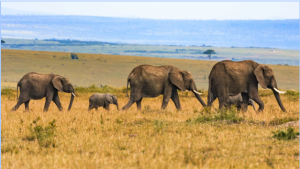
Elephant viewing in Tarangire ranks among Africa’s finest. During dry months, hundreds of elephants congregate along the Tarangire River, creating opportunities to observe complex social behaviors, family interactions, and individual personalities. The park hosts many large bulls with impressive tusks, individuals that have learned to avoid poaching pressures elsewhere.
Beyond elephants, Tarangire supports healthy populations of lions, leopards, African wild dogs, and numerous herbivore species. The seasonal swamps attract rare antelopes including fringed-eared oryx and gerenuk adapted to arid conditions. Bird diversity exceeds most East African parks, with over 550 species recorded including endemic varieties.
Mikumi and Katavi: Off-the-Beaten-Path Adventures
For Tanzania safari enthusiasts seeking authentic wilderness without tourist congestion, Mikumi and Katavi National Parks deliver exceptional experiences. Mikumi, located along the highway to southern Tanzania, offers accessible wildlife viewing in dramatic landscapes dominated by the Mkata floodplain and surrounding mountains.
Katavi represents genuine remoteness—a vast wilderness in western Tanzania receiving few visitors despite harboring spectacular wildlife concentrations. During the dry season, the Katuma River becomes the only permanent water for countless animals, creating scenes of hippos crammed together in shrinking pools and buffalo herds numbering thousands. Predators take advantage of this concentration, offering dramatic hunting opportunities.
These lesser-known parks appeal particularly to return visitors who’ve experienced northern circuit highlights and seek new frontiers. The sense of discovery and isolation adds dimensions impossible in more frequented destinations.
Safari Styles to Match Every Preference
Modern Tanzania safaris accommodate diverse interests and comfort levels through varied activity options. Classic game drives remain central to most itineraries, utilizing specially designed vehicles with pop-up or open roofs maximizing viewing angles. These drives typically occur during optimal wildlife activity periods—early morning and late afternoon when temperatures cool and animals become active.
Walking safaris transform the experience entirely, engaging senses impossible from vehicles. The smell of crushed grass underfoot, the sound of birds calling warnings about your approach, the tension of encountering buffalo at close range—these elements create visceral connections with environments. Armed rangers ensure safety while expert guides interpret tracks, plants, and animal signs telling ecological stories.
Night game drives reveal nocturnal communities rarely glimpsed during daylight. Specialized spotlights illuminate eyes reflecting in darkness—perhaps a leopard descending from its tree, a civet hunting rodents, or a genet prowling for prey. The darkness transforms familiar landscapes into mysterious realms where sounds take precedence over vision.
For ultimate perspectives, hot air balloon safaris lift passengers above the landscape at dawn. Drifting silently with wind currents provides bird’s-eye views of wildlife patterns, landscape features, and the sheer scale of wilderness areas. The experience combines tranquility with drama as life unfolds below.
Timing Your Tanzania Safari Perfectly
Understanding seasonal patterns helps optimize Tanzania safari experiences according to individual priorities. The primary dry season from June through October offers exceptional general wildlife viewing. Reduced vegetation improves sightings, animals concentrate predictably around water, and favorable weather ensures comfortable conditions. However, this popularity means higher prices and more crowded parks.
The short rains in November and December transform landscapes rapidly, bringing green growth and clearing skies that create spectacular photographic light. Many animals give birth during this period, attracting predators and offering adorable scenes of young animals learning survival skills. Tourist numbers drop significantly, allowing more exclusive experiences.
January through March represents peak calving season on southern Serengeti plains. Approximately 400,000 wildebeest calves are born in concentrated periods, creating extraordinary predation opportunities. Lions, hyenas, leopards, and cheetahs feast on vulnerable newborns while vultures circle overhead. This spectacle draws wildlife photographers and documentary filmmakers globally.
The long rains from April through May present challenges including impassable roads and closed camps, but adventurous travelers find rewards. Landscapes achieve peak lushness, bird life explodes with migratory species arriving, and dramatic storm light creates otherworldly atmospheres. Prices drop to annual lows, and you’ll have parks virtually to yourself.
Preparing for Your Adventure
Successful Tanzania safari preparation involves practical considerations ensuring smooth experiences. Most visitors require tourist visas obtainable on arrival or preferably through the e-visa system before travel. Processing can take several weeks, so apply early to avoid complications.
Health preparations deserve careful attention. Consult travel medicine specialists at least two months before departure to receive necessary vaccinations and malaria prophylaxis. Yellow fever vaccination becomes mandatory if arriving from endemic countries. Comprehensive travel insurance covering medical evacuation is essential given remote locations of most safari camps.
Packing strategically enhances comfort and reduces stress. Neutral-colored clothing in lightweight, breathable fabrics works best—khakis, greens, and browns that don’t disturb wildlife or attract insects. Layers accommodate temperature variations from cold pre-dawn game drives to midday heat. Quality sun protection including wide-brimmed hats, sunglasses, and high-SPF sunscreen prevents discomfort that can diminish enjoyment.
Photography equipment should include telephoto lenses (300mm minimum, 400-600mm ideal) for wildlife shots. Extra batteries and abundant memory storage prevent missing opportunities due to technical limitations. Dust poses constant challenges, so protective cases and cleaning supplies prove invaluable.
Supporting Conservation Through Tourism
Every Tanzania safari contributes to conservation through multiple mechanisms. Park entrance fees fund ranger salaries, anti-poaching operations, infrastructure maintenance, and wildlife research. These fees represent substantial portions of park budgets, making tourism economically crucial for conservation.
Employment opportunities created by safari tourism provide alternatives to activities threatening wildlife. Former poachers have become guides, using tracking skills constructively. Communities neighboring parks receive revenue shares, education support, and healthcare improvements funded by tourism, aligning their interests with conservation outcomes.
Responsible tourism choices amplify positive impacts. Selecting operators with verified conservation commitments, respecting park regulations, maintaining appropriate distances from wildlife, and supporting community initiatives ensures your safari contributes maximally to conservation. These individual actions, multiplied across thousands of visitors, create substantial collective effects.
Conclusion
A Tanzania safari represents far more than vacation—it’s an immersive journey into wilderness that reconnects you with natural rhythms largely lost in modern life. The experience offers perspectives on life, death, survival, and beauty that transcend ordinary tourism. Whether witnessing predators hunt, observing elephant families interact, or simply watching sunsets paint endless plains in gold and crimson, Tanzania creates moments of profound wonder.
The country’s success balancing conservation with sustainable tourism provides models for wildlife protection globally. By choosing Tanzania safari experiences, travelers vote with their spending for nature’s preservation, demonstrating that intact ecosystems hold greater value than extractive alternatives. This economic argument proves increasingly critical as human populations expand and wildlife habitats face mounting pressures.
Tanzania rewards return visits as no two safaris unfold identically. Weather patterns, animal movements, and countless variables ensure each experience remains unique. The country’s diversity means even multiple trips barely scratch the surface of available experiences across different parks, seasons, and activities.
For anyone seeking authentic connection with wild Africa, Tanzania delivers consistently exceptional experiences. The combination of abundant wildlife, stunning landscapes, professional infrastructure, and genuine wilderness creates safari adventures that fulfill expectations while often exceeding them. In Tanzania, nature’s grandeur remains accessible yet untamed, inviting exploration and guaranteeing amazement.
Key Takeaways
- Tanzania dedicates over 25% of its land to conservation, creating vast protected ecosystems where wildlife flourishes naturally
- The Serengeti ecosystem supports over 2 million herbivores and thousands of predators in functioning food webs reminiscent of prehistoric times
- Ngorongoro Crater concentrates extraordinary wildlife diversity within a volcanic caldera offering some of Africa’s most reliable Big Five viewing
- Seasonal timing dramatically affects experiences—dry season optimizes general viewing while wet season offers photographic drama and fewer tourists
- Safari activity options extend beyond game drives to include walking safaris, night drives, and hot air balloon adventures engaging different senses
- Lesser-known parks like Tarangire, Mikumi, and Katavi offer equally spectacular wildlife with significantly fewer visitors and lower costs
- Tourism directly funds conservation through park fees, employment, and community revenue sharing that aligns local interests with wildlife protection
- Proper preparation including visas, vaccinations, appropriate clothing, and quality photography equipment significantly enhances safari enjoyment and success
Frequently Asked Questions
What is the average cost of a Tanzania safari per day?
Tanzania safari costs vary widely based on accommodation standards, season, and inclusions. Budget camping safaris average $150-250 per person daily, mid-range lodge safaris cost $350-550 daily, while luxury options range $700-1,500+ per person daily. Ultra-luxury private experiences can exceed $2,000 daily. These prices typically include accommodation, meals, park fees, game drives, and ground transportation. Peak season (June-October) commands 30-50% premiums over low season rates. Group safaris reduce per-person costs compared to private arrangements.
How many days should I allocate for a Tanzania safari?
Minimum recommended duration is 5-7 days allowing visits to 2-3 parks without excessive rushing. This timeframe permits proper wildlife observation and adjustment to safari rhythms. Ideal durations of 10-14 days enable more comprehensive explorations including multiple ecosystems, varied activities, and higher probability of witnessing rare behaviors. Longer safaris allow relaxation between intensive game viewing, cultural visits, and potential beach extensions to Zanzibar. Remember that 1-2 days involve travel logistics, so actual safari time equals total days minus travel days.
What should I wear on a Tanzania safari?
Wear neutral colors (khaki, olive, tan, brown) in lightweight, breathable fabrics like cotton or technical materials. Avoid bright colors, white, and black which attract insects or may disturb wildlife. Long sleeves and pants protect against sun, insects, and vegetation. Bring layered options as early mornings can be cold (10°C/50°F) while midday reaches 30°C/86°F+. Comfortable closed-toe shoes or hiking boots work best. Wide-brimmed hats, sunglasses, and scarves for dust prove essential. Most lodges maintain casual standards though some require long pants for dinner.
Can I see the Great Migration year-round in Tanzania?
The migration moves continuously through the Serengeti ecosystem following rainfall patterns, so it’s “visible” year-round but in different locations. Southern Serengeti hosts herds January-March during calving season. April-May sees movement northwest toward central Serengeti. June-July brings dramatic Grumeti River crossings in western Serengeti. August-October features massive Mara River crossings in northern Serengeti. November-December sees return south. Timing your visit to specific locations maximizes migration viewing, though exact timing varies annually based on rainfall patterns.
Are Tanzania safaris safe for solo travelers?
Tanzania safaris are generally very safe for solo travelers when booking with reputable operators. Parks employ armed rangers maintaining security, and professional guides ensure wildlife interactions remain safe. Most operators easily accommodate solo travelers, though single supplements (30-100% additional cost) apply for private room occupancy. Joining group safaris eliminates single supplements while providing social interaction. Solo female travelers successfully visit Tanzania, though standard precautions apply regarding lodging choices and urban areas. Overall, wildlife encounters pose minimal risk when following guide instructions.
What wildlife photography equipment do I need for a Tanzania safari?
Essential equipment includes a DSLR or mirrorless camera with telephoto zoom lens (100-400mm minimum, 150-600mm ideal). Prime lenses offer superior quality but reduced flexibility. Bring multiple batteries as cold mornings drain power quickly and charging opportunities may be limited. Pack abundant memory cards (32GB+ recommended capacity). Beanbags stabilize cameras on vehicle windows better than tripods. Lens hoods reduce glare, while UV filters protect front elements from dust. The backup camera body provides security against failures. Smartphones with quality cameras now produce excellent casual photos, making dedicated cameras optional for non-professionals.
Do I need travel insurance for a Tanzania safari?
Comprehensive travel insurance is strongly recommended and required by many safari operators. Policies should cover medical evacuation (essential given remote locations and limited facilities), trip cancellation/interruption, baggage loss, and medical expenses. Medical evacuation from remote parks can cost $50,000+, making coverage crucial. Standard health insurance rarely covers international medical evacuation. Ensure policies cover adventure activities including game drives and walking safaris. Some operators offer safari-specific insurance packages. Purchase insurance when booking as many policies exclude pre-existing conditions unless bought within specified periods after initial deposits.