


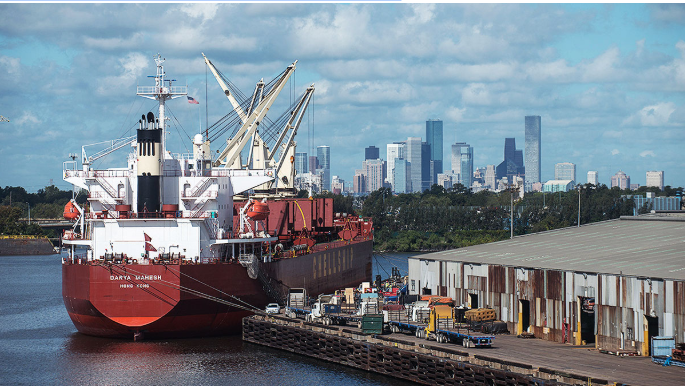
Texas is home to some of the most strategically important ports in the United States, serving as critical gateways for energy exports, manufactured goods, and agricultural products. The state’s extensive Gulf Coast coastline positions it at the center of domestic and international commerce. Understanding the role of the port of Texas network helps illustrate why Texas remains one of America’s leading trade hubs.
The Scale of Texas Port Operations
THe port of Texas collectively handles hundreds of millions of tons of cargo each year, making the state one of the top export states in the nation by total tonnage. The Port of Houston alone consistently ranks among the busiest ports in the country, processing everything from petrochemicals and refined fuels to steel, plastics, and consumer goods. Other significant Texas ports include Beaumont, Corpus Christi, and Galveston, each serving specialized industries and contributing to the state’s overall economic strength.
Energy Exports Drive Port Activity
A large portion of cargo moving through Texas ports is energy-related. The state sits at the heart of America’s oil and gas industry, and its ports serve as the primary export points for crude oil, liquefied natural gas, and refined petroleum products destined for markets around the world. The expansion of LNG export facilities along the Texas coast has accelerated in recent years, further cementing the state’s role as a global energy supplier and driving ongoing infrastructure investment at major port facilities.
Agricultural and Manufacturing Trade Through Texas
Beyond energy, Texas ports facilitate the export of significant volumes of agricultural products, including cotton, grain sorghum, and rice grown across the state’s vast farming regions. Manufacturing exports, including chemicals, industrial machinery, and automotive components, also flow through Texas terminals on their way to international markets. This diversity of cargo types makes the Texas port system resilient and adaptable to shifts in global trade patterns.
Infrastructure Investment and Port Expansion
To keep pace with growing trade volumes, Texas ports have undertaken significant infrastructure improvement projects. Channel deepening initiatives allow larger vessels to access port facilities, keeping Texas competitive as global shipping moves toward ever-larger container ships and tankers. Investments in cranes, terminal automation, and intermodal rail connections improve efficiency and reduce turnaround times. These ongoing upgrades reflect the confidence of port authorities and private investors in the long-term importance of Texas as a trade gateway.
Economic Impact on Local and State Communities
The economic ripple effects of Texas port activity extend far beyond the docks. Port operations support hundreds of thousands of jobs in logistics, warehousing, transportation, ship repair, and related industries throughout the state. Local communities near major ports benefit from tax revenues, infrastructure investment, and the concentration of well-paying industrial employment. The broader Texas economy gains a competitive edge by having efficient access to global markets, attracting manufacturers and distributors who rely on timely, cost-effective shipping.
Conclusion
Texas ports are far more than loading docks, they are engines of economic growth and strategic assets that connect the state to the global economy. From energy exports that power nations to agricultural products that feed populations worldwide, the work conducted at Texas terminals touches nearly every sector of commerce. Continued investment in port infrastructure and operational efficiency will ensure that Texas remains a premier trade and transportation hub for generations to come.